Silt Curtains

What Are Silt Curtains?

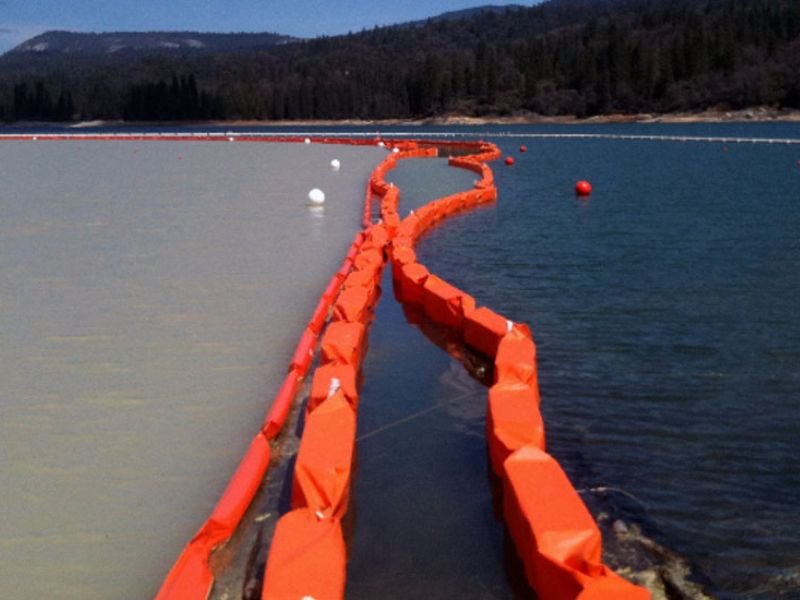
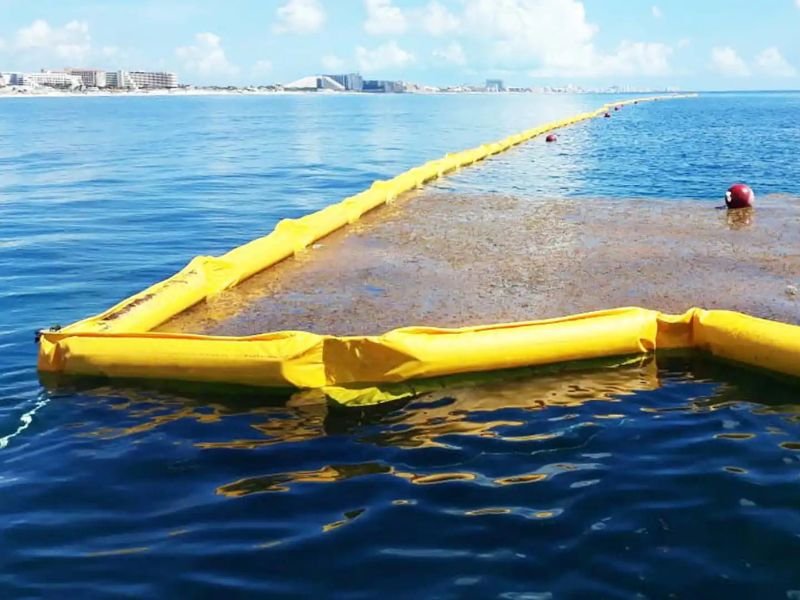
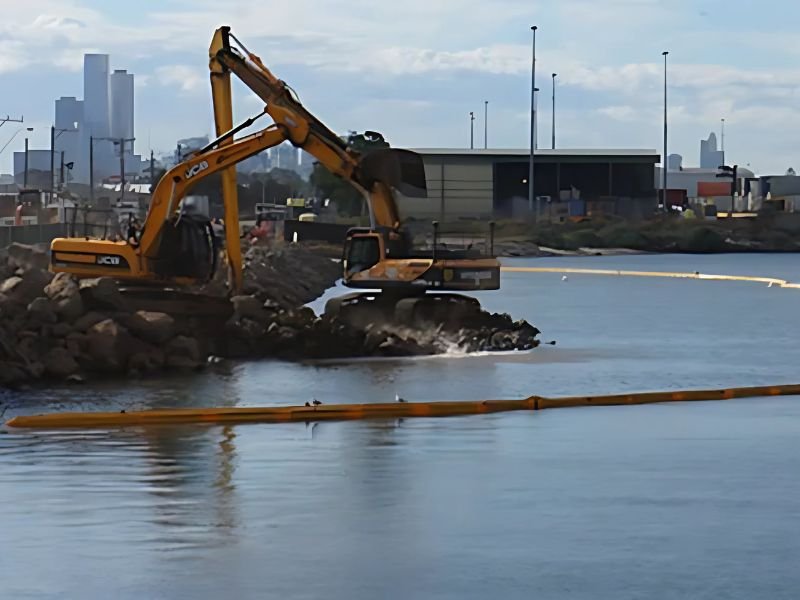
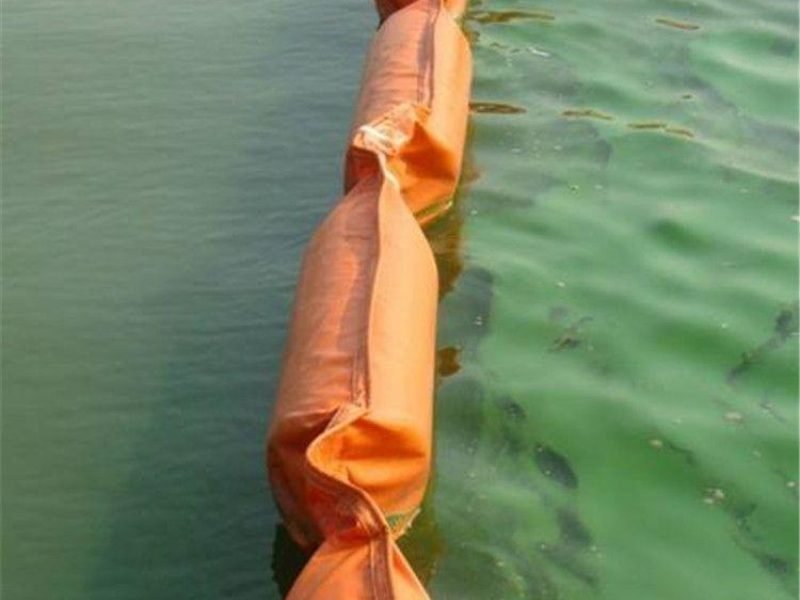
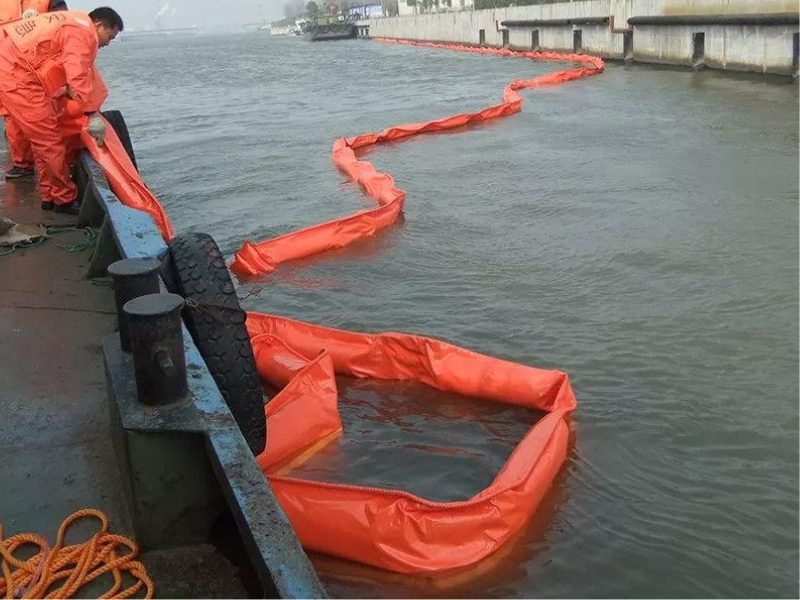
Silt Curtains, also known as Turbidity Curtains or Sediment Control Curtains, are floating containment barriers designed to control the spread of suspended sediments and turbidity in water during marine, coastal, river, and construction activities. They are widely used in dredging projects, land reclamation works, bridge construction, shoreline protection, port developments, and environmental remediation projects to protect water quality and sensitive aquatic ecosystems.

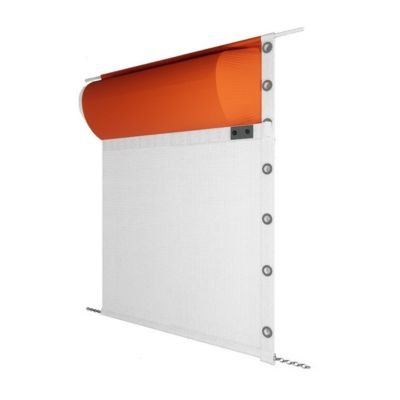
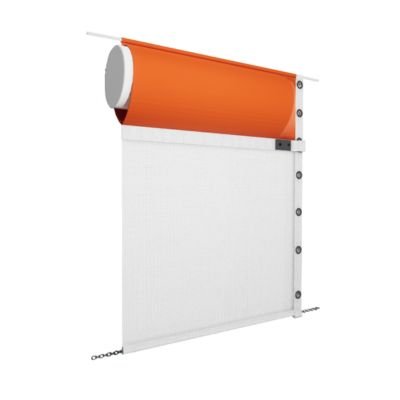
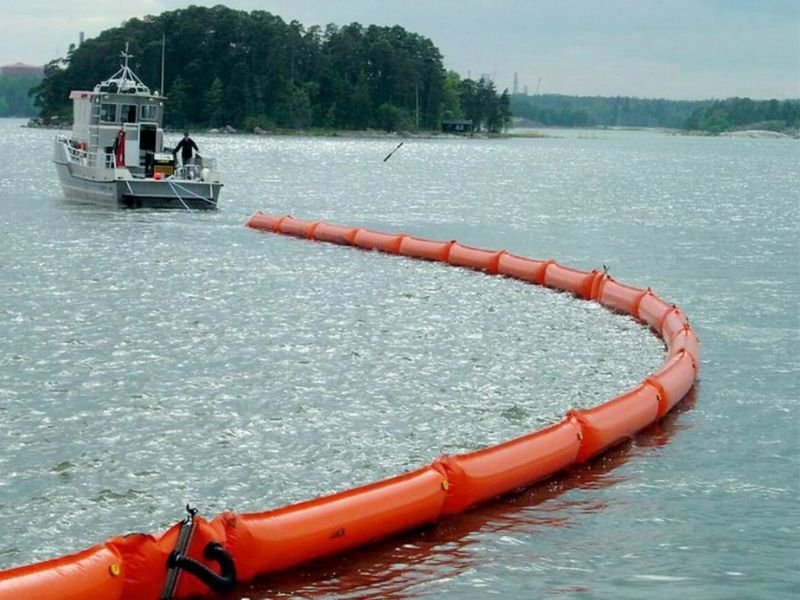
A Silt Curtain consists of a floating buoyancy system, a vertical curtain membrane, ballast weights, and anchoring components. The curtain extends below the water surface to create a containment zone that slows water movement and restricts the migration of suspended sediment particles. This allows sediment to settle naturally within the work area while reducing turbidity in surrounding waters.

Silt Curtains play a critical role in sediment containment, turbidity control, and environmental protection, helping contractors comply with environmental regulations and minimize the impact of construction activities on marine habitats, coral reefs, seagrass beds, fisheries, rivers, lakes, and other sensitive water bodies.

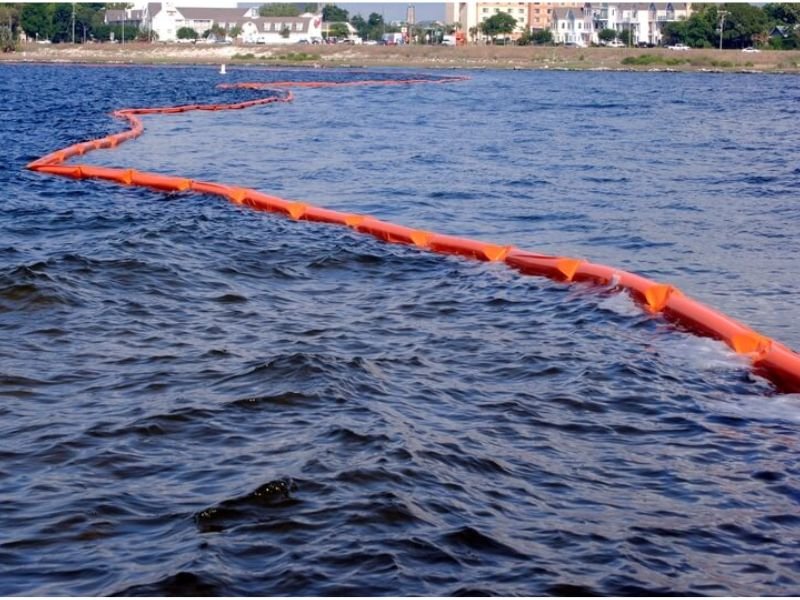
Depending on site conditions, Silt Curtains are available in various configurations for calm waters, rivers, harbors, ports, and offshore environments. They provide a cost-effective and reliable solution for managing suspended sediments during dredging, marine construction, coastal engineering, and water infrastructure projects worldwide.

Key Functions of Geotextile Tubes

Type I – Standard

Basic floating barrier with weighted bottom designed to contain sediment in calm waters. Ideal for lakes, ponds, and slow-moving water bodies to control sediment dispersion effectively.

Type II – Anchored

Features anchors or stakes for firm positioning. Suitable for moderate currents or tidal environments, providing enhanced stability while containing sediment.

Type III – Heavy-Duty

Designed for high current or rough water conditions with additional structural support. Used in construction zones or challenging environments requiring durable sediment containment.

Key Applications of WavePlus Silt Curtains

Sediment Containment During Dredging

effectively contain suspended sediments during dredging operations, preventing turbidity and protecting water quality in sensitive aquatic environments.

Construction Site Sediment Control

Used around construction sites, reduce sediment runoff and keep disturbed soils contained to minimize environmental impact during earthworks.

Contaminated Sediment Remediation

Silt Curtains assist in isolating contaminated sediments to prevent spreading, facilitating safer and more effective remediation projects in marine and freshwater settings.

Aquaculture Water Quality Management

Help maintain water clarity and quality in aquaculture farms by limiting the spread of suspended solids and pollutants.

Harbor & Marina Maintenance

During maintenance and dredging activities in harbors and marinas, contain disturbed sediments to reduce environmental disruption.

Turbidity Reduction in Marine Projects

Reduce turbidity caused by underwater construction, ensuring compliance with environmental regulations and protecting marine habitats.

Why Choose WavePlus Silt Curtains?

Durability

Durability

UV and abrasion-resistant fabric ensures long-lasting performance in marine and freshwater environments.

Global Supply

Global Supply

Trusted by contractors worldwide for coastal, riverine, and harbor sediment control projects.

Customiserble

Available in multiple configurations including floating, anchored, and heavy-duty types to suit specific project needs.

Technical Support & Expertise

Technical Support & Expertise

WavePlus provides expert consultation for optimal curtain design and installation to maximize sediment containment.

Quick & Easy Deployment

Lightweight and flexible, WavePlus Silt Curtains can be rapidly installed and repositioned, reducing project downtime.

Environmental & Ecological Projects

Eco-Friendly Materials

Constructed with durable, non-toxic geotextile fabrics that minimize environmental impact while ensuring high performance.

Ports, Harbors & Dredging

Robust Anchoring Systems

Designed with reliable anchoring solutions to maintain position in varying water currents and weather conditions.

Effective Sediment Control

Effective Sediment Control

effectively contain sediment and prevent turbidity in water bodies during construction and dredging activities.

WavePlus Silt Curtain Projects

WavePlus Silt Curtain Videos

How is the required silt curtain depth calculated for a marine or dredging project?

Silt curtain depth is determined based on water depth, tidal variation, current velocity, and seabed conditions. Typically, the curtain skirt is designed to extend 20–30% above the seabed to avoid sediment disturbance while maintaining stability. In high-current zones, reduced skirt depth with enhanced anchoring is often recommended.

What factors influence the selection between Type I, Type II, and Type III silt curtains?

Selection depends on environmental conditions. Type I is used in calm waters such as ponds and lakes, Type II is suitable for moderate currents in harbors and nearshore areas, while Type III is designed for strong tidal currents, open sea conditions, and dredging operations requiring high tensile strength and reinforced anchoring systems.

What is the typical tensile strength requirement for geotextile silt curtain fabrics?

High-performance silt curtains generally use woven or PVC-coated fabrics with tensile strengths ranging from 20 kN/m to over 80 kN/m depending on project class. The selection is based on hydrodynamic forces, wave load, and installation method.

How does current velocity impact the design and performance of silt curtains?

Current velocity directly affects drag force, curtain deflection, and sediment containment efficiency. At higher velocities, the curtain experiences increased stress, requiring stronger anchoring systems, heavier ballast chains, and sometimes segmented installation to reduce failure risk.

What anchoring systems are used for offshore silt curtain installations?

Common anchoring systems include deadweight anchors, screw anchors, pile-based systems, and mooring lines with buoys. The selection depends on seabed conditions such as sand, clay, or rocky substrates, as well as tidal variation and wave energy.

What is the role of ballast chains in silt curtain stability?

Ballast chains are installed at the bottom of the curtain skirt to maintain vertical alignment, reduce uplift from currents, and ensure proper sealing against sediment leakage. Heavier chains are used in high-energy environments to prevent curtain flotation or displacement.

How is turbidity reduction efficiency measured in silt curtain systems?

Turbidity reduction is measured using NTU (Nephelometric Turbidity Units) sensors placed upstream and downstream of the curtain. Efficiency is typically expressed as a percentage reduction, influenced by particle size, current speed, and curtain deployment configuration.

Can silt curtains be used in tidal environments with reversing currents?

Yes, but specialized designs such as double-layer curtains or circular containment systems are recommended. Reversing tides require flexible anchoring layouts and segmented floating modules to maintain sediment containment during directional flow changes.

What materials are commonly used in high-performance marine silt curtains?

High-performance curtains use PVC-coated polyester, reinforced geotextiles, or polyethylene fabrics with UV stabilization and anti-fouling coatings. These materials are selected for durability, tear resistance, and long-term exposure to marine environments.

How long can a silt curtain typically remain deployed in marine conditions?

Deployment duration depends on material grade and environmental exposure. Temporary projects may last weeks, while heavy-duty marine-grade curtains can remain installed for several months with proper maintenance, cleaning, and periodic inspection.

Frequently Asked Questions about WavePlus Turbidity Curtains

Request a Quote

Ready to Work Together? Build a project with us!

Lowest Lead Time
Ships Worldwide
Best Quality
Lowest Price